Are you dreaming of turning your passion for handmade goods or unique vintage finds into a profitable online business? Setting up an Etsy store in 2026 offers an incredible opportunity to connect with millions of buyers worldwide. Whether you’re a seasoned artisan or just starting your entrepreneurial journey, this guide will walk you through every essential step to launch a successful Etsy shop. We’ll cover everything from initial planning and understanding the Etsy store setup cost to optimizing your listings and mastering marketing strategies.
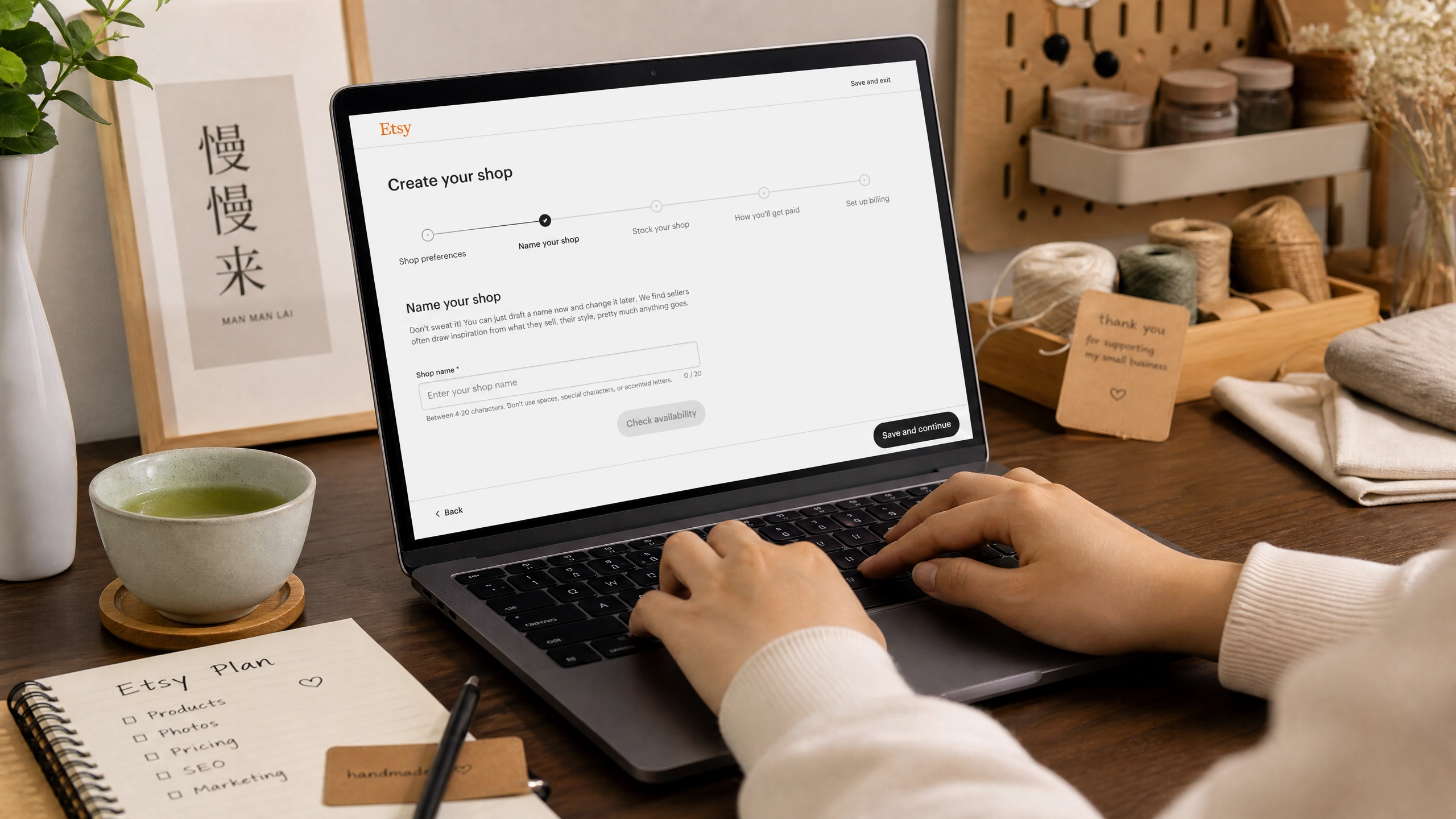 A dedicated workspace is key to efficiently setting up your Etsy store and managing your creative business.
Understanding the Etsy Landscape in 2026
Etsy continues to be a powerhouse for unique, handmade, and vintage items. In 2026, the platform emphasizes seller authenticity, high-quality product photography, and exceptional customer service more than ever. Understanding these core values will be crucial as you embark on your journey to setup an Etsy store. The marketplace thrives on individuality, so showcasing your unique brand identity is paramount.
Why Choose Etsy for Your Online Business?
Etsy isn’t just another e-commerce platform; it’s a community. It provides a built-in audience eager for distinctive products, significantly reducing your initial marketing efforts compared to building a standalone website. The tools and resources available are tailored for small business owners, making the process of how to setup an Etsy store surprisingly straightforward.
- Global Reach: Access millions of potential customers from around the globe.
- Niche Market: Connect with buyers specifically looking for handmade, vintage, or craft supplies.
- Ease of Use: User-friendly interface and comprehensive seller tools simplify shop management.
- Community Support: Benefit from a vibrant community of fellow sellers and extensive educational resources.
Navigating the Etsy Store Setup Cost
One of the first questions aspiring sellers ask is, “What is the Etsy store setup cost?” While it’s relatively affordable to get started, it’s important to be aware of the various fees involved. Transparency about these costs helps you budget effectively and price your products competitively. Let’s break down the potential expenses you might encounter.
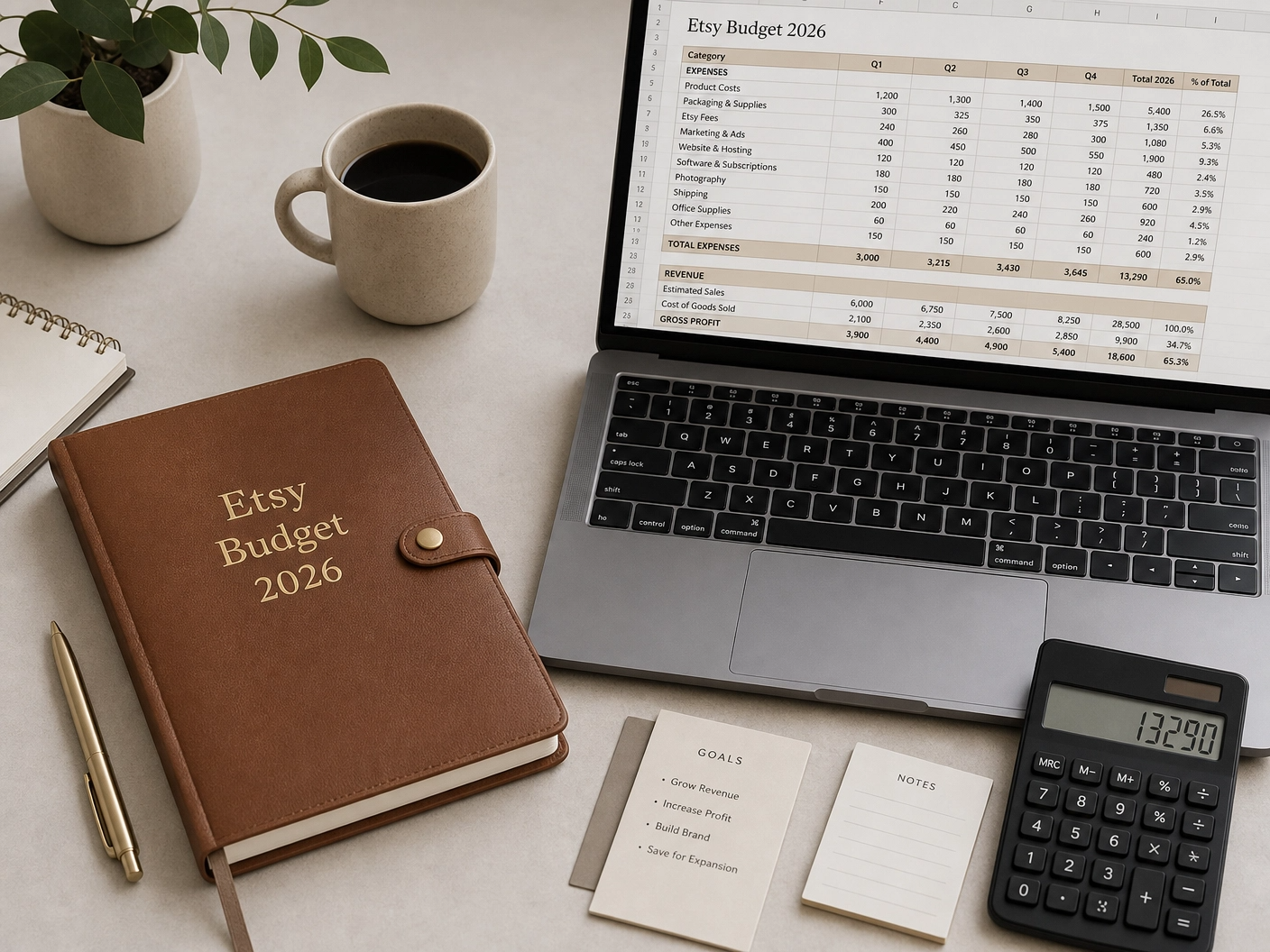 Careful financial planning is essential to understand your Etsy store setup cost and ensure profitability.
Key Fees to Consider
Etsy’s fee structure is designed to be accessible, but it’s vital to understand each component. These fees are standard across the platform and contribute to the maintenance and marketing of the marketplace.
- Listing Fee: A small fee charged per listing, regardless of whether the item sells. This fee applies every four months or until the item sells.
- Transaction Fee: A percentage of the total sale price (including shipping) when an item is purchased.
- Payment Processing Fee: Applied to each transaction, covering the cost of processing payments through Etsy Payments.
- Advertising Fees (Optional): Costs associated with Etsy Ads or Offsite Ads, which can boost your product visibility.
Fee Type | Description | Typical Cost (Approx. 2026) |
Listing Fee | Per item listed (renews every 4 months or upon sale) | $0.20 USD |
Transaction Fee | Percentage of total sale price (item + shipping) | 6.5% |
Payment Processing | Percentage of total sale price + fixed fee per transaction | 3% + $0.25 USD |
Etsy Pattern (Optional) | Monthly fee for a custom website | $15.00 USD/month |
Note: These figures are approximate for 2026 and subject to change by Etsy. Always refer to the official Etsy Fees & Payments Policy for the most current information.
How to Setup an Etsy Store: A Step-by-Step Guide
Ready to dive in? Setting up your Etsy shop is an exciting process. Follow these steps to ensure a smooth launch and lay the groundwork for a successful online venture. This guide will help you navigate the initial setup, from choosing your shop name to listing your first product.
Step 1: Choose Your Shop Name and Niche
Your shop name is your brand identity. Choose something memorable, relevant to your products, and easy to spell. Before you finalize, check for availability on Etsy and social media platforms. Defining your niche early helps you target your audience and stand out in a crowded market. Are you selling handmade jewelry, vintage clothing, or digital prints? Be specific!
Step 2: Register Your Account and Shop Preferences
Visit Etsy.com/sell and click “Get Started.” You’ll be prompted to set your shop language, country, and currency. This initial setup is quick and ensures your shop is localized for your target market. Take your time to accurately fill out these details, as they impact how buyers interact with your store.
Step 3: Stock Your Shop: Listing Your First Products
This is where your creations come to life! Each listing requires detailed information, high-quality photos, and accurate pricing. Remember, good visuals are paramount on Etsy. Consider investing in good lighting or a simple photo setup. For more insights on optimizing your online presence, check out our services page.
- High-Quality Photos: Use clear, well-lit images from multiple angles.
- Compelling Descriptions: Tell your product’s story, highlight its unique features, and explain its benefits.
- Relevant Tags and Attributes: Use keywords that buyers are likely to search for to improve visibility.
- Accurate Pricing: Factor in material costs, labor, Etsy fees, and desired profit margins.
Step 4: Set Up Billing and Payment
To receive payments and pay your fees, you’ll need to set up Etsy Payments. This typically involves linking your bank account. Etsy Payments allows buyers to pay using various methods, simplifying the checkout process for your customers. Ensure all your financial details are correct to avoid any delays.
Step 5: Open Your Shop!
Once you’ve completed all the necessary sections, you’re ready to officially open your Etsy shop to the world! Don’t worry if everything isn’t perfect from day one; you can always refine and improve your shop as you go. The most important thing is to get started.
Optimizing Your Etsy Store for Success in 2026
Opening your shop is just the beginning. To truly thrive, you need to continuously optimize your store. This involves understanding Etsy’s search algorithm, engaging with your customers, and adapting to market trends. Think of your shop as a living entity that requires ongoing care and attention.
Etsy SEO: Getting Discovered
Search Engine Optimization (SEO) on Etsy is crucial for visibility. It’s about using the right keywords in your titles, tags, and descriptions so that your products appear in relevant search results. Think like your customer: what would they type into the search bar to find your item? Regularly review your shop’s performance and adjust your SEO strategy accordingly. For advanced SEO strategies, visit our homepage.
Branding Your Etsy Shop
Your brand is more than just a logo; it’s the overall experience you offer. Consistent branding across your shop, product packaging, and social media builds trust and recognition. Develop a cohesive visual style and a unique voice that resonates with your target audience. This helps create a memorable experience for your customers.
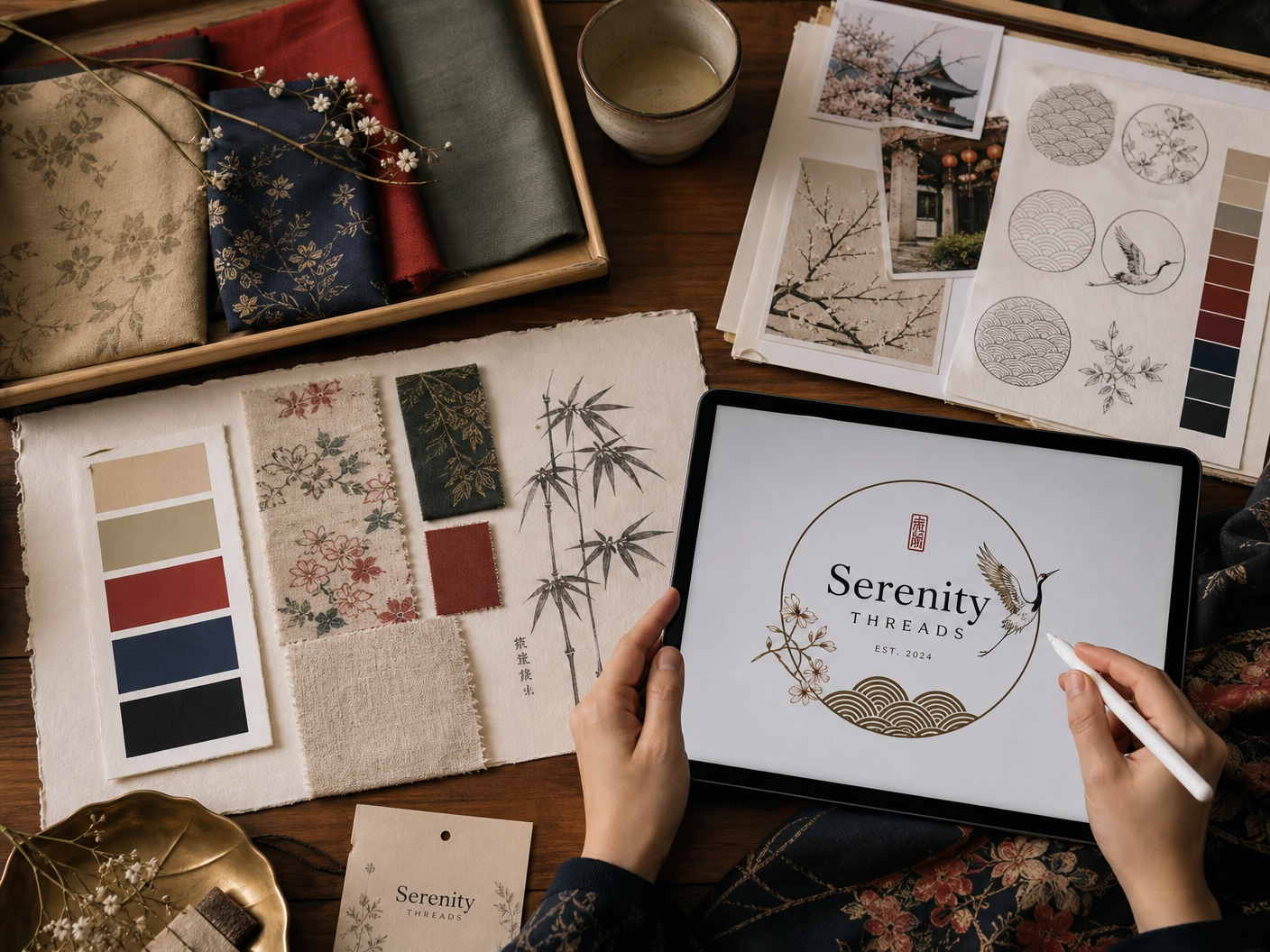 A well-defined brand identity helps your Etsy shop stand out and attract your ideal customers.
Customer Service Excellence
Happy customers are repeat customers. Respond promptly to inquiries, handle issues gracefully, and always strive to exceed expectations. Positive reviews are invaluable on Etsy, boosting your shop’s credibility and search ranking. Personal touches, like a handwritten thank-you note, can make a significant difference.
Marketing Your Etsy Shop Beyond the Platform
While Etsy provides a built-in audience, expanding your reach beyond the platform is vital for long-term growth. This means leveraging social media, email marketing, and potentially even a dedicated website. Diversifying your marketing channels helps you build a loyal customer base and reduce reliance on a single platform.
Social Media Engagement
Platforms like Instagram, Pinterest, and TikTok are visual goldmines for Etsy sellers. Share behind-the-scenes glimpses of your creative process, showcase your products in lifestyle settings, and engage with your followers. Hashtags are your friends here, helping new audiences discover your unique offerings.
Building an Email List
An email list is one of your most valuable assets. It allows you to communicate directly with interested customers, announce new products, and offer exclusive promotions. Provide incentives for signing up, such as a discount on their first purchase, to grow your subscriber base.
Advanced Tips for Etsy Sellers in 2026
As you gain experience, you’ll want to explore more advanced strategies to scale your business. These tips can help you streamline operations, expand your product lines, and maximize your profitability.
Streamlining Shipping and Logistics
Efficient shipping is crucial for customer satisfaction. Research different shipping carriers, understand their pricing, and consider offering various shipping options. Packaging your items securely and attractively also enhances the unboxing experience. For any queries, feel free to contact us.
 Thoughtful packaging and efficient shipping enhance the customer experience and build brand loyalty.
Exploring Digital Products on Etsy
Digital products, such as printable art, planners, or templates, offer a unique advantage: no inventory or shipping costs. If you have design skills, this can be a highly profitable avenue. The setup process is similar, but your focus shifts to creating high-quality digital files and clear usage instructions.
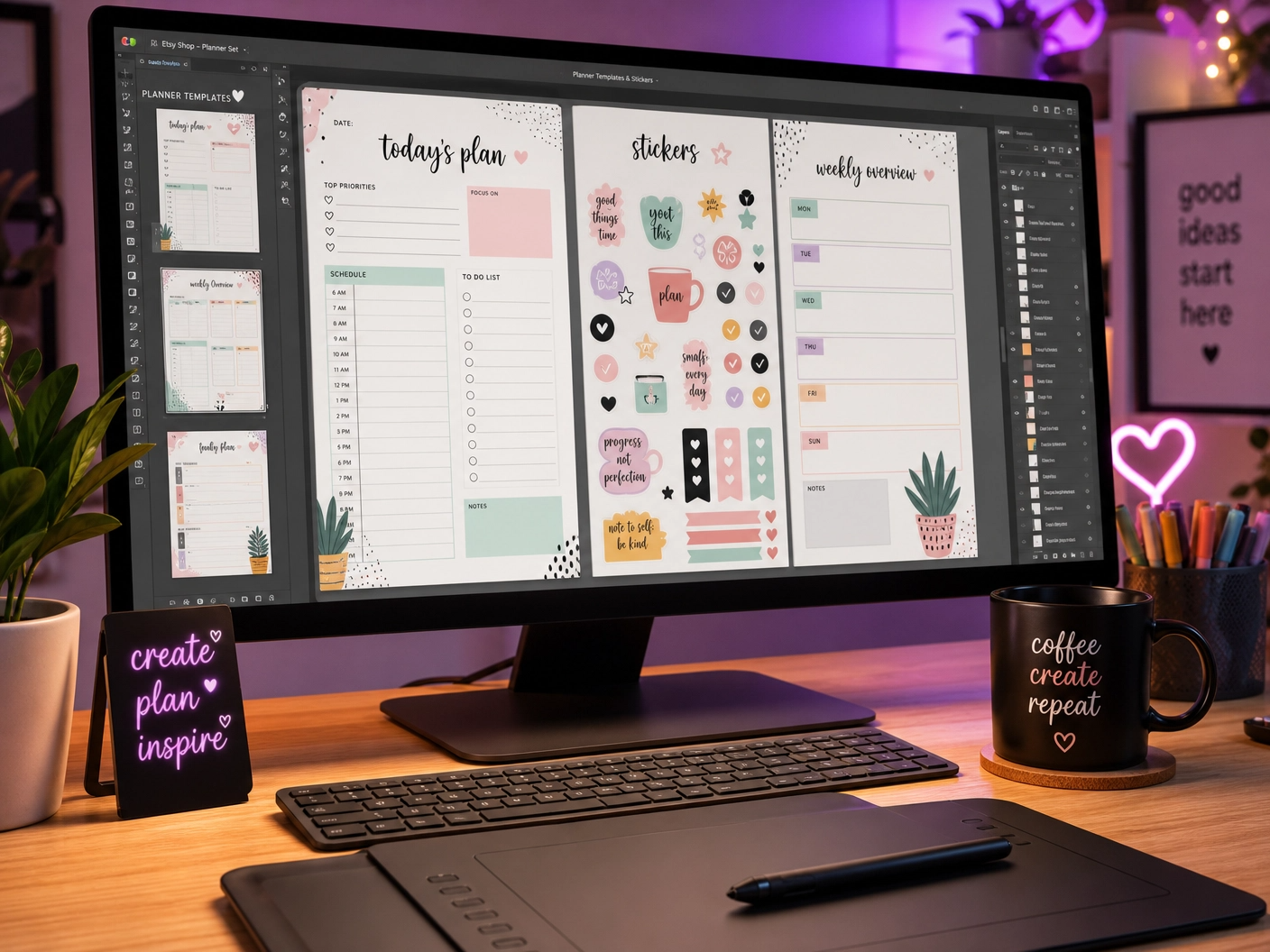 Digital products offer a scalable business model with minimal overhead, perfect for creative entrepreneurs.
Analyzing Your Shop’s Performance
Etsy provides robust analytics tools that allow you to track sales, views, and conversion rates. Regularly review these metrics to understand what’s working and what isn’t. Use this data to make informed decisions about your product offerings, pricing, and marketing efforts. Data-driven decisions are the backbone of sustained growth.
People Also Ask (PAA) about Etsy Store Setup
Here are some common questions aspiring Etsy sellers often have:
Q1: Is it still profitable to sell on Etsy in 2026?
Absolutely! While the competition has grown, so has the global demand for unique, handmade, and vintage items. By focusing on a niche, offering high-quality products, and implementing effective marketing strategies, you can definitely build a profitable business on Etsy in 2026. The key is differentiation and consistent effort.
Q2: How long does it take to set up an Etsy shop?
The basic setup of an Etsy shop can be completed in a few hours. However, to fully optimize your shop with compelling listings, strong branding, and a comprehensive product range, it might take several days or even weeks. It’s an ongoing process of refinement and improvement.
Q3: What are the best-selling items on Etsy in 2026?
Trends on Etsy can shift, but consistently popular categories include personalized jewelry, custom apparel, digital planners, unique home decor, and vintage items. Researching current trends and identifying gaps in the market can help you choose profitable products. Always keep an eye on what’s gaining traction.
Conclusion: Your Etsy Journey Starts Now
Setting up an Etsy store in 2026 is an exciting venture that combines creativity with entrepreneurship. By understanding the costs, following a structured setup process, and continuously optimizing your shop, you can build a thriving online business. Remember, success on Etsy is a marathon, not a sprint. It requires dedication, adaptability, and a genuine passion for what you do. So, take the leap, embrace the journey, and watch your creative dreams come to life!